
WheeBuy Finds
Spreadsheet
OVER 5000+
WITH QC PHOTOS








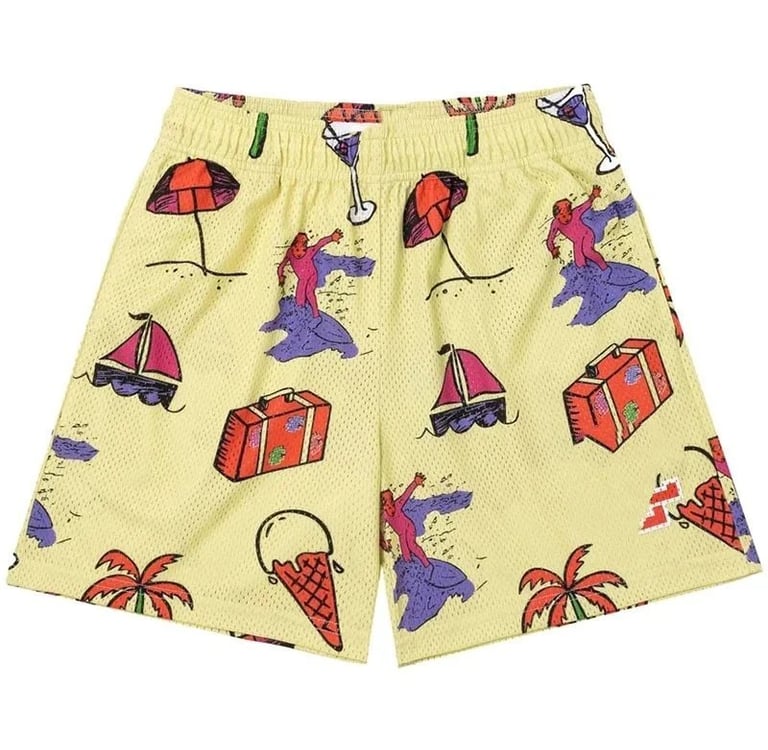
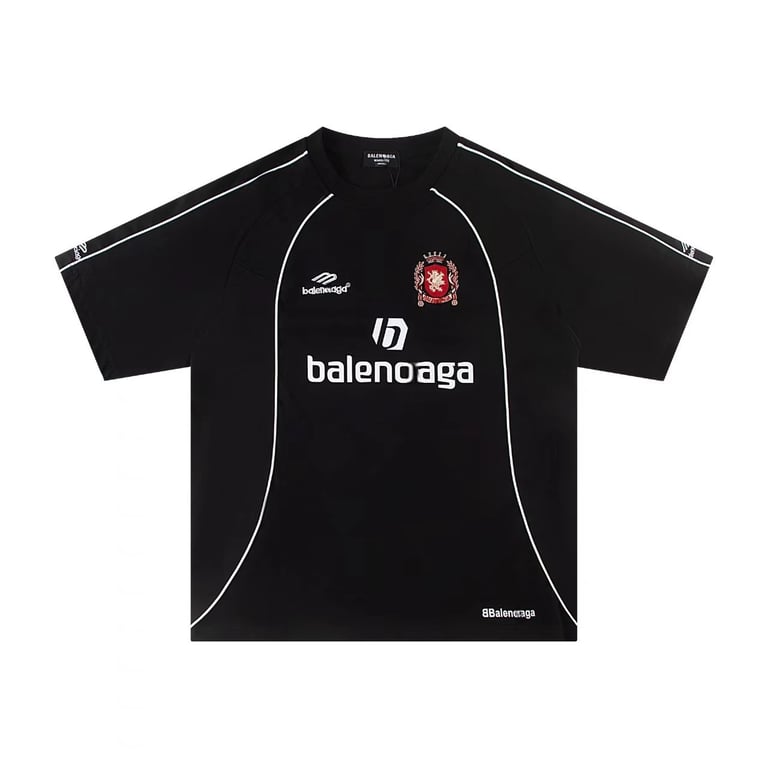


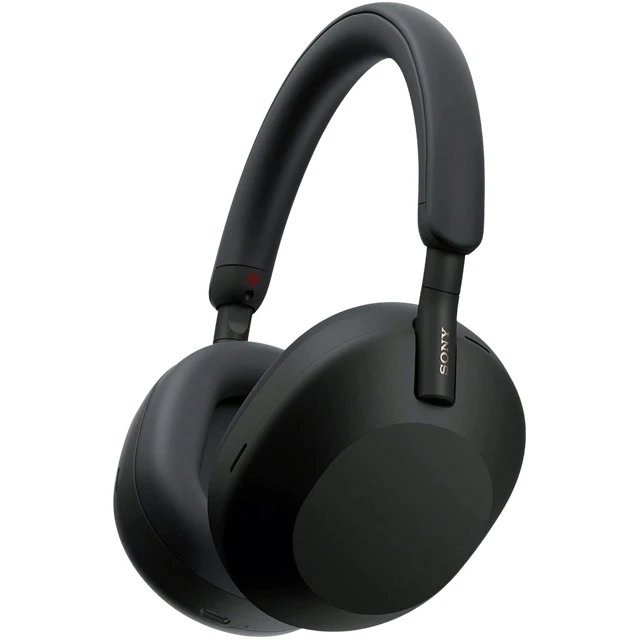
Wheebuy Spreadsheet for Automating 1688 Product Research and Selection
In cross-border ecommerce, product research is one of the most time-consuming yet critical steps for building a profitable store. Platforms like 1688 contain millions of listings across Shoes, T-Shirts, Hoodies/Sweaters, Jackets, Pants/Shorts, Headwear, Sets, underwear/underpants, Jersey, Accessories, and Other Stuff, making manual selection inefficient and error-prone. Sellers on Shopify, Amazon FBA, and TikTok Shop need faster, data-driven ways to identify winning products. Wheebuy spreadsheet addresses this challenge by automating the structuring and analysis of 1688 product data, helping ecommerce businesses streamline research, improve accuracy, and accelerate decision-making.
1. Automating Product Data Collection from 1688
Data extraction:
Wheebuy spreadsheet automates the collection of product listings from 1688, reducing the need for manual browsing and copying.
Source aggregation:
Multiple supplier pages are consolidated into a single structured dataset for easier review and comparison.
Category coverage:
The system captures diverse categories such as Shoes, Hoodies/Sweaters, T-Shirts, and Accessories for broader market analysis.
Efficiency gain:
Automated collection significantly reduces research time and operational workload.
2. Structuring Raw Product Information into Usable Data
Data structuring:
Wheebuy spreadsheet converts unorganized product listings into standardized formats including titles, variants, and supplier details.
Information clarity:
Structured data eliminates inconsistencies in naming, pricing, and product specifications.
Catalog readiness:
Products like Jackets, Pants/Shorts, and Headwear become easier to evaluate and organize.
Business impact:
Better structured data improves decision-making and reduces sourcing errors.
3. Enhancing Product Selection Accuracy
Comparative analysis:
Wheebuy spreadsheet enables sellers to compare multiple products within the same category efficiently.
Performance indicators:
Product diversity, supplier activity, and category depth help identify stronger sourcing options.
Risk reduction:
Data-driven evaluation reduces reliance on guesswork when selecting products.
Selection outcome:
Higher accuracy in product selection improves store profitability potential.
4. Supporting Multi-Platform Ecommerce Integration
Platform compatibility:
Structured data from Wheebuy spreadsheet supports workflows for Shopify, Amazon FBA, and TikTok Shop.
Listing preparation:
Product information can be directly used for catalog creation and store uploads.
Consistency management:
Categories such as Sets, underwear/underpants, and Other Stuff are organized uniformly across platforms.
Operational benefit:
Seamless integration reduces manual editing and speeds up product deployment.
5. Scaling Product Research for Long-Term Growth
Research scalability:
Automated systems allow sellers to analyze large volumes of 1688 data without increasing workload.
Trend tracking:
Ongoing data structuring helps identify emerging product trends across categories.
Workflow efficiency:
Repeatable processes improve consistency in product research and selection.
Growth advantage:
Scalable research systems support continuous ecommerce expansion.
Conclusion
Automating product research is essential for competing in today’s fast-paced ecommerce environment. Wheebuy spreadsheet transforms complex 1688 product data into structured, actionable insights that streamline research, improve selection accuracy, and support multi-platform integration. By enabling automation in sourcing workflows across Shopify, Amazon FBA, and TikTok Shop, Wheebuy spreadsheet helps ecommerce sellers reduce manual effort, make smarter decisions, and build scalable, data-driven businesses.
How Wheebuy Enhances Global Dropshipping Workflow Efficiency for Sellers
In today’s global ecommerce environment, dropshipping sellers face increasing pressure to operate faster, reduce manual workload, and manage complex sourcing networks across platforms like Shopify, Amazon FBA, and TikTok Shop. At the same time, suppliers on 1688 and Chinese microstores generate massive volumes of fragmented product data across categories such as Shoes, T-Shirts, Hoodies/Sweaters, Jackets, and Accessories. Without structured systems, workflow inefficiencies quickly appear. Wheebuy spreadsheet improves this situation by transforming raw sourcing information into a streamlined, data-driven workflow that enhances global dropshipping efficiency and scalability.
1. Streamlining Cross-Border Product Sourcing
Data aggregation:
Wheebuy spreadsheet collects product data from 1688 and microstores into a unified structure, reducing the need for manual browsing.
Category coverage:
Sellers can efficiently manage sourcing across Shoes, T-Shirts, Hoodies/Sweaters, and Accessories within a single organized system.
Search efficiency:
Instead of switching between multiple supplier pages, users access structured datasets for faster decision-making.
Operational result:
Sourcing cycles become shorter, allowing sellers to react quickly to market demand.
2. Improving Supplier Workflow Coordination
Supplier organization:
Wheebuy spreadsheet structures supplier information into comparable formats for easier evaluation.
Decision clarity:
Sellers can identify reliable suppliers based on product availability, consistency, and sourcing suitability.
Risk reduction:
Organized supplier data helps avoid unreliable vendors and inconsistent fulfillment performance.
Business impact:
Stronger supplier coordination leads to more stable and predictable supply chains.
3. Enhancing Product Data Structuring for Ecommerce Platforms
Data standardization:
Wheebuy spreadsheet converts unstructured product listings into consistent, usable formats.
Platform alignment:
Structured data can be directly adapted for Shopify, Amazon FBA, and TikTok Shop listings.
Catalog organization:
Categories such as Pants/Shorts, Headwear, Jersey products, and Sets are easier to manage at scale.
Efficiency gain:
Reduced manual formatting significantly improves listing speed and accuracy.
4. Supporting Multi-Channel Dropshipping Operations
Channel synchronization:
Product data remains consistent across multiple ecommerce platforms.
Workflow integration:
Wheebuy spreadsheet helps unify sourcing, listing, and inventory processes across channels.
Category scalability:
Even complex segments like underwear/underpants and Other Stuff can be managed efficiently.
Operational outcome:
Multi-channel sellers can expand without increasing workflow complexity.
5. Optimizing Long-Term Workflow Performance
Process automation:
Structured data reduces repetitive manual sourcing and catalog tasks.
Performance tracking:
Historical product and supplier data support better long-term decision-making.
Scalability support:
The system remains effective as product catalogs and order volumes grow.
Strategic advantage:
Efficient workflows create a foundation for sustainable global expansion.
Conclusion
Efficient dropshipping operations depend on how well sellers manage sourcing data, supplier relationships, and cross-platform workflows. Wheebuy spreadsheet enhances global workflow efficiency by structuring fragmented 1688 and microstore data into a unified system that supports faster sourcing, better supplier coordination, and scalable ecommerce operations. By optimizing every stage of the dropshipping process, Wheebuy spreadsheet enables sellers to operate more efficiently and compete effectively in the global ecommerce market.
Using Wheebuy to Extract Profitable Microstore Products for Ecommerce Scaling
In modern cross-border ecommerce, microstores have become a hidden goldmine for discovering fast-moving and high-margin products. Platforms like Shopify, Amazon FBA, and TikTok Shop rely heavily on identifying trending items early, especially from fragmented Chinese microstore ecosystems. However, manually analyzing thousands of listings across 1688 and microstores is inefficient and often leads to missed opportunities. Wheebuy spreadsheet solves this problem by structuring and extracting product data into an organized system that helps sellers identify profitable products and scale their ecommerce operations more effectively.
1. Discovering High-Potential Microstore Product Opportunities
Data aggregation:
Wheebuy spreadsheet collects product data from multiple microstores into a unified dataset for easier exploration.
Category visibility:
Sellers can analyze high-demand segments such as Shoes, T-Shirts, Hoodies/Sweaters, Jackets, and Accessories in a structured format.
Trend identification:
Organized data helps highlight products with increasing demand signals across microstore ecosystems.
Business outcome:
Faster discovery of winning products enables quicker market entry and stronger competitive positioning.
2. Structuring Raw Microstore Data into Actionable Insights
Data structuring:
Wheebuy spreadsheet transforms unorganized product listings into standardized formats including pricing, variants, and supplier details.
Clarity improvement:
Inconsistent microstore information is normalized, making comparison between products more reliable.
Category organization:
Items such as Pants/Shorts, Headwear, Jersey products, and Sets can be grouped for clearer analysis.
Operational benefit:
Structured insights reduce research confusion and improve decision-making speed.
3. Evaluating Product Profitability and Market Fit
Profit analysis:
Wheebuy spreadsheet enables sellers to compare pricing structures across multiple microstore sources.
Demand signals:
Product diversity and listing frequency help identify items with stronger market traction.
Risk control:
Structured evaluation reduces the chance of selecting low-demand or oversaturated products.
Selection result:
More accurate product choices lead to higher conversion potential in ecommerce stores.
4. Supporting Ecommerce Platform Integration and Scaling
Platform compatibility:
Extracted data from Wheebuy spreadsheet can be used across Shopify, Amazon FBA, and TikTok Shop.
Catalog deployment:
Structured product information simplifies listing creation and store expansion.
Inventory alignment:
Categories like underwear/underpants and Other Stuff can be integrated into broader product catalogs.
Scaling advantage:
Efficient integration supports rapid expansion without operational bottlenecks.
5. Enhancing Long-Term Product Research Efficiency
Research automation:
Repeated microstore analysis becomes faster through structured datasets.
Data reuse:
Historical product insights can be reused for future sourcing decisions.
Market adaptation:
Sellers can continuously track changes in microstore product trends.
Growth impact:
Consistent research efficiency supports long-term ecommerce scaling.
Conclusion
Extracting profitable products from microstores requires more than browsing—it requires structured intelligence. Wheebuy spreadsheet enables sellers to transform fragmented microstore data into organized, actionable insights that support product discovery, profitability analysis, and ecommerce scaling. By streamlining workflows across Shopify, Amazon FBA, and TikTok Shop, Wheebuy spreadsheet empowers sellers to identify winning products faster and build scalable, data-driven ecommerce businesses.
Wheebuy Spreadsheet Features for Automated Supplier Comparison and Analysis
In global ecommerce, choosing the right supplier is one of the most critical factors that determines profitability, product quality, and long-term scalability. With thousands of suppliers across 1688 and Chinese microstores offering similar products in categories like Shoes, T-Shirts, Hoodies/Sweaters, Jackets, Pants/Shorts, Headwear, Sets, underwear/underpants, Jersey, Accessories, and Other Stuff, manual comparison becomes inefficient and unreliable. Wheebuy spreadsheet addresses this challenge by providing automated supplier comparison and analysis features that help sellers operating on Shopify, Amazon FBA, and TikTok Shop make faster and more informed sourcing decisions.
1. Automated Supplier Data Structuring
Data normalization:
Wheebuy spreadsheet standardizes supplier information such as pricing, product range, and availability into a consistent format.
Information alignment:
Different supplier formats from 1688 and microstores are unified for easier comparison.
Category mapping:
Suppliers across Shoes, Hoodies/Sweaters, T-Shirts, and Accessories are categorized systematically.
Operational benefit:
Structured data removes manual formatting work and improves decision speed.
2. Multi-Supplier Comparison Engine
Side-by-side analysis:
Wheebuy spreadsheet enables sellers to compare multiple suppliers within the same product category efficiently.
Price benchmarking:
Users can quickly evaluate cost differences across suppliers offering similar products.
Product variety evaluation:
Suppliers are analyzed based on available categories such as Jackets, Pants/Shorts, and Headwear.
Business outcome:
Better comparisons lead to more cost-effective sourcing decisions.
3. Supplier Performance Evaluation System
Performance tracking:
Wheebuy spreadsheet helps monitor supplier consistency and product reliability over time.
Risk assessment:
Sellers can identify suppliers with unstable product availability or inconsistent listings.
Quality indicators:
Structured supplier data helps evaluate overall sourcing reliability.
Strategic value:
More reliable suppliers reduce fulfillment issues and improve customer satisfaction.
4. Integration with Ecommerce Platforms
Platform compatibility:
Supplier insights generated by Wheebuy spreadsheet support Shopify, Amazon FBA, and TikTok Shop workflows.
Catalog synchronization:
Supplier data can be directly used to build and update product listings.
Category scalability:
Segments like Sets, underwear/underpants, and Other Stuff are easily integrated into store catalogs.
Operational efficiency:
Automation reduces manual transfer of supplier information into ecommerce systems.
5. Decision Optimization for Scalable Sourcing
Insight generation:
Wheebuy spreadsheet converts raw supplier data into actionable sourcing intelligence.
Trend awareness:
Sellers can identify which suppliers dominate specific product categories.
Efficiency improvement:
Faster decision-making reduces sourcing delays and improves workflow speed.
Growth impact:
Optimized supplier selection supports long-term ecommerce scalability.
Conclusion
Automated supplier comparison is essential for efficient and profitable ecommerce operations. Wheebuy spreadsheet provides powerful features that structure supplier data, enable side-by-side comparisons, and support performance evaluation across 1688 and microstore ecosystems. By integrating seamlessly with Shopify, Amazon FBA, and TikTok Shop workflows, Wheebuy spreadsheet helps sellers make smarter sourcing decisions, reduce operational risk, and build more scalable global ecommerce businesses.


Global Fulfillment Strategies Powered by Wheebuy Ecommerce Infrastructure
In global ecommerce, fulfillment is no longer just about shipping products from point A to point B—it has evolved into a complex system involving sourcing efficiency, inventory coordination, logistics optimization, and cross-border delivery management. Sellers operating on platforms like Shopify, Amazon FBA, and TikTok Shop rely heavily on structured supply chains sourced from 1688 and Chinese microstores. Without a unified infrastructure, fulfillment becomes slow, fragmented, and costly. Wheebuy spreadsheet provides a structured ecommerce backbone that connects sourcing data with fulfillment workflows, enabling global sellers to execute faster, smarter, and more scalable logistics strategies.
1. Unified Data Layer for Global Fulfillment Planning
Data consolidation:
Wheebuy spreadsheet aggregates product and supplier data into a unified system, creating a single source of truth for fulfillment planning.
Category organization:
Products across Shoes, T-Shirts, Hoodies/Sweaters, Jackets, and Accessories are structured for easier logistics categorization.
Supplier mapping:
Each product is linked with supplier origin data, enabling better routing decisions for international shipping.
Fulfillment impact:
A unified data layer reduces fragmentation and ensures smoother cross-border operations.
2. Streamlined Cross-Border Logistics Coordination
Logistics structuring:
Wheebuy spreadsheet organizes shipping-related data such as supplier location, product origin, and handling requirements.
Carrier alignment:
Information can be aligned with global carriers like DHL, FedEx, and UPS for optimized delivery planning.
Route optimization:
Structured data enables better decisions on shipping routes and fulfillment centers.
Business result:
Faster and more reliable cross-border delivery performance.
3. Inventory Synchronization Across Ecommerce Platforms
Platform integration:
Wheebuy spreadsheet supports synchronized product data usage across Shopify, Amazon FBA, and TikTok Shop.
Stock visibility:
Sellers gain clearer insight into inventory distribution across multiple sales channels.
Category scaling:
Items such as Pants/Shorts, Headwear, and Jersey products can be managed consistently across platforms.
Operational benefit:
Better synchronization reduces overselling and stock mismanagement.
4. Supplier-to-Fulfillment Workflow Automation
Workflow structuring:
Wheebuy spreadsheet connects supplier data directly with downstream fulfillment processes.
Process automation:
Manual steps in transferring product information to logistics systems are minimized.
Order readiness:
Products such as Sets, underwear/underpants, and Other Stuff are prepared faster for shipment workflows.
Efficiency outcome:
Reduced processing time from sourcing to final dispatch.
5. Scalability for High-Volume Global Operations
Infrastructure scalability:
The system supports expanding product catalogs without disrupting fulfillment logic.
Data reusability:
Structured datasets can be reused across multiple fulfillment cycles and markets.
Operational consistency:
Standardized workflows ensure stable performance during peak demand periods.
Growth advantage:
Businesses can scale globally without rebuilding their logistics infrastructure.
Conclusion
Modern global fulfillment requires more than logistics execution—it demands structured data, synchronized systems, and scalable infrastructure. Wheebuy spreadsheet powers this transformation by connecting sourcing, supplier data, inventory management, and logistics coordination into a unified ecommerce framework. By enabling faster decision-making and smoother cross-border operations, Wheebuy spreadsheet helps sellers build efficient, scalable, and globally optimized fulfillment strategies.
How Wheebuy Simplifies Cross-Border Logistics and Product Sourcing Pipelines
In global ecommerce, cross-border operations depend heavily on how efficiently sellers can connect product sourcing with logistics execution. Platforms like Shopify, Amazon FBA, and TikTok Shop require fast-moving supply chains, while sourcing networks such as 1688 and Chinese microstores generate massive volumes of unstructured product data. Without a unified system, this creates delays, inefficiencies, and high operational costs. Wheebuy spreadsheet simplifies this complexity by structuring sourcing and logistics pipelines into a streamlined, data-driven workflow that enables faster decision-making and smoother global fulfillment.
1. Unifying Product Sourcing Pipelines from Multiple Channels
Data aggregation:
Wheebuy spreadsheet consolidates product listings from 1688 and microstores into a unified sourcing pipeline for easier management.
Category structuring:
Products across Shoes, T-Shirts, Hoodies/Sweaters, Jackets, and Accessories are organized into clear sourcing segments.
Supplier consolidation:
Multiple supplier sources are combined into a single structured dataset, reducing fragmentation in sourcing workflows.
Operational result:
Sellers gain a faster, more reliable product discovery process across global supply channels.
2. Streamlining Logistics Data for Cross-Border Delivery
Logistics structuring:
Wheebuy spreadsheet organizes shipping-related data such as supplier location, product origin, and delivery conditions.
Route optimization support:
Structured data helps sellers plan more efficient international shipping routes and fulfillment strategies.
Carrier alignment:
Information can be aligned with global logistics providers like DHL, FedEx, and UPS for better execution planning.
Business impact:
Improved logistics clarity reduces delays and increases cross-border delivery reliability.
3. Enhancing Product Data Standardization for Ecommerce Platforms
Data standardization:
Wheebuy spreadsheet converts inconsistent product listings into structured formats suitable for ecommerce use.
Platform integration:
Standardized data supports seamless listing creation across Shopify, Amazon FBA, and TikTok Shop.
Category consistency:
Items like Pants/Shorts, Headwear, Jersey, and Sets are unified for smoother catalog management.
Efficiency gain:
Reduces manual formatting work and accelerates product deployment.
4. Connecting Sourcing Decisions with Fulfillment Planning
Pipeline linkage:
Wheebuy spreadsheet connects product sourcing data directly with downstream logistics planning workflows.
Inventory coordination:
Sellers gain clearer visibility into stock movement from supplier to fulfillment stage.
Product readiness:
Categories such as underwear/underpants and Other Stuff are prepared more efficiently for global shipping.
Operational outcome:
Smoother transition from sourcing to fulfillment reduces operational friction.
5. Scaling Cross-Border Operations Efficiently
Workflow scalability:
The structured system supports increasing product volumes without disrupting sourcing or logistics pipelines.
Process consistency:
Standardized workflows ensure stable performance across expanding ecommerce operations.
Data reusability:
Sourcing and logistics data can be reused across multiple sales channels and markets.
Growth advantage:
Sellers can scale globally without rebuilding operational infrastructure.
Conclusion
Efficient cross-border ecommerce requires tight integration between sourcing and logistics systems. Wheebuy spreadsheet simplifies these pipelines by structuring fragmented data from 1688 and microstores into a unified operational framework. By improving sourcing clarity, logistics coordination, and platform integration, Wheebuy spreadsheet enables sellers to build faster, more reliable, and scalable global ecommerce operations.
Wheebuy Tools for Identifying High-Demand 1688 Marketplace Products
In the fast-moving world of ecommerce, identifying high-demand products early is one of the most important factors for building a profitable online store. Sellers operating on Shopify, Amazon FBA, and TikTok Shop depend heavily on sourcing winning products from platforms like 1688, where millions of listings compete for attention. However, manually analyzing trends, supplier activity, and product performance is inefficient and often inaccurate. Wheebuy spreadsheet provides structured tools that help sellers detect high-demand products by organizing marketplace data into clear, actionable insights for smarter sourcing decisions.
1. Market Data Aggregation for Demand Detection
Data collection:
Wheebuy spreadsheet gathers large volumes of product listings from 1688 into a centralized dataset for analysis.
Category coverage:
High-volume segments such as Shoes, T-Shirts, Hoodies/Sweaters, Jackets, and Accessories are systematically included for demand tracking.
Trend visibility:
Aggregated data helps identify products with increasing listing frequency or supplier activity.
Business outcome:
Sellers gain faster insight into what products are gaining traction in the marketplace.
2. Structuring Product Signals for Better Analysis
Data structuring:
Wheebuy spreadsheet converts raw marketplace data into structured formats that are easier to interpret and compare.
Signal clarity:
Pricing, product variants, and supplier consistency are organized into measurable indicators.
Category organization:
Items like Pants/Shorts, Headwear, Jersey products, and Sets are grouped for clearer demand evaluation.
Analytical benefit:
Structured data improves the accuracy of demand forecasting and product selection.
3. Identifying High-Engagement Supplier Patterns
Supplier activity tracking:
Wheebuy spreadsheet highlights suppliers with high listing frequency or consistent product updates.
Performance indicators:
Sellers can evaluate which suppliers dominate specific product categories.
Risk filtering:
Unstable or low-activity suppliers are easier to identify and avoid.
Strategic value:
More reliable supplier insights lead to stronger sourcing decisions.
4. Supporting Cross-Platform Ecommerce Decision Making
Platform alignment:
Insights from Wheebuy spreadsheet can be applied across Shopify, Amazon FBA, and TikTok Shop.
Catalog integration:
High-demand products can be quickly added to ecommerce listings.
Category expansion:
Segments like underwear/underpants and Other Stuff can be tested for market potential.
Operational result:
Faster product deployment improves responsiveness to market demand.
5. Enhancing Long-Term Product Research Strategy
Trend tracking:
Continuous data updates help monitor changes in 1688 product demand patterns.
Data reuse:
Historical insights support future sourcing and validation decisions.
Workflow efficiency:
Automated structuring reduces manual research effort over time.
Growth advantage:
Consistent demand identification improves long-term ecommerce profitability.
Conclusion
Identifying high-demand products in the 1688 marketplace requires more than browsing—it requires structured analysis and data-driven decision-making. Wheebuy spreadsheet equips sellers with tools to aggregate, structure, and interpret marketplace data, enabling faster detection of trending products and stronger sourcing decisions. By improving visibility into demand signals and supplier activity, Wheebuy spreadsheet helps ecommerce sellers build scalable, profitable, and competitive online businesses across global platforms.
Building Scalable Ecommerce Stores Using Wheebuy Spreadsheet System
In today’s competitive global ecommerce landscape, scalability is no longer optional—it is essential for survival. Sellers operating on Shopify, Amazon FBA, and TikTok Shop must continuously expand product catalogs, optimize sourcing pipelines, and manage supplier networks from platforms like 1688 and Chinese microstores. However, manual workflows often limit growth due to fragmented data and operational inefficiencies. Wheebuy spreadsheet provides a structured system that transforms sourcing, product management, and operational workflows into a scalable infrastructure designed for long-term ecommerce expansion.
1. Structuring Product Data for Scalable Catalog Growth
Data standardization:
Wheebuy spreadsheet organizes raw product information into consistent formats, making large-scale catalog expansion manageable.
Category organization:
Products such as Shoes, T-Shirts, Hoodies/Sweaters, Jackets, and Accessories are systematically structured for easier scaling.
Variant control:
Multiple sizes, colors, and styles are unified into a structured format to prevent catalog confusion.
Scalability outcome:
Stores can expand product listings without increasing operational complexity.
2. Enhancing Supplier Management for Growth Efficiency
Supplier structuring:
Wheebuy spreadsheet consolidates supplier data from 1688 and microstores into an organized system.
Comparison capability:
Sellers can evaluate suppliers based on pricing, product range, and reliability.
Risk reduction:
Structured supplier data helps avoid unstable sourcing partners that can disrupt scaling efforts.
Business impact:
Stronger supplier selection improves long-term operational stability.
3. Optimizing Multi-Platform Ecommerce Integration
Platform alignment:
Wheebuy spreadsheet supports structured data usage across Shopify, Amazon FBA, and TikTok Shop.
Catalog synchronization:
Product listings remain consistent across multiple sales channels.
Category expansion:
Segments such as Pants/Shorts, Headwear, Jersey products, and Sets can be easily deployed across platforms.
Growth advantage:
Multi-platform selling becomes more manageable and efficient.
4. Streamlining Sourcing and Workflow Automation
Workflow efficiency:
Wheebuy spreadsheet reduces manual sourcing and product preparation tasks.
Data flow management:
Information from 1688 is automatically structured for downstream ecommerce use.
Operational consistency:
Categories like underwear/underpants and Other Stuff are managed under unified workflows.
Efficiency result:
Faster sourcing-to-listing pipelines support rapid scaling.
5. Enabling Long-Term Ecommerce Scalability
Process repeatability:
Structured workflows can be reused across multiple product cycles and stores.
Growth flexibility:
Sellers can expand into new niches without rebuilding operational systems.
Data reuse:
Historical sourcing and product data improve future decision-making.
Strategic benefit:
The system supports sustainable, long-term ecommerce growth.
Conclusion
Building scalable ecommerce stores requires more than adding products—it requires structured systems that can handle growth efficiently. Wheebuy spreadsheet provides the infrastructure needed to organize product data, streamline supplier management, and support multi-platform expansion. By transforming fragmented sourcing workflows into a unified and scalable system, Wheebuy spreadsheet empowers ecommerce sellers to grow faster, operate smarter, and build sustainable global businesses.
Why Wheebuy Is Ideal for Automated Product Research and Catalog Creation
In modern ecommerce, speed and accuracy in product research directly determine store performance and scalability. Sellers operating across Shopify, Amazon FBA, and TikTok Shop need constant access to trending and structured product data sourced from 1688 and Chinese microstores. However, manual research and catalog building are time-consuming and prone to inconsistency. Wheebuy spreadsheet solves this challenge by automating product research workflows and transforming raw marketplace data into structured, ready-to-use ecommerce catalogs that support fast scaling and better decision-making.
1. Automating Product Discovery Across 1688 and Microstores
Data aggregation:
Wheebuy spreadsheet automatically collects product data from 1688 and microstores into a unified system for faster discovery.
Category coverage:
Products such as Shoes, T-Shirts, Hoodies/Sweaters, Jackets, and Accessories are continuously indexed for research.
Trend detection:
High-frequency listings and supplier activity help identify emerging product opportunities early.
Efficiency gain:
Automated discovery eliminates manual browsing and significantly speeds up research workflows.
2. Structuring Raw Data into Ecommerce-Ready Formats
Data structuring:
Wheebuy spreadsheet converts unorganized listings into standardized product entries with clear attributes.
Information clarity:
Titles, variants, pricing, and supplier details are normalized for consistent analysis.
Catalog readiness:
Categories like Pants/Shorts, Headwear, Jersey products, and Sets are organized for immediate store integration.
Business impact:
Structured data reduces listing errors and improves catalog quality across platforms.
3. Enhancing Product Evaluation and Selection Accuracy
Comparative analysis:
Wheebuy spreadsheet allows sellers to compare multiple products side-by-side within the same category.
Performance signals:
Supplier consistency, pricing stability, and product variety help evaluate market strength.
Risk reduction:
Data-driven insights reduce reliance on guesswork during product selection.
Selection outcome:
Higher accuracy leads to better-performing ecommerce catalogs.
4. Accelerating Ecommerce Catalog Creation
Catalog automation:
Wheebuy spreadsheet transforms structured product data into ready-to-use catalog formats.
Platform compatibility:
Listings can be directly adapted for Shopify, Amazon FBA, and TikTok Shop environments.
Category expansion:
Items such as underwear/underpants and Other Stuff can be integrated without manual restructuring.
Operational benefit:
Faster catalog creation enables quicker store launches and product testing.
5. Supporting Scalable Ecommerce Growth
Workflow scalability:
Automated systems allow sellers to handle increasing product volumes without additional workload.
Data reuse:
Structured datasets can be reused for future research and catalog updates.
Operational consistency:
Standardized workflows ensure long-term stability across growing ecommerce operations.
Growth advantage:
Scalable automation supports continuous expansion and improved competitiveness.
Conclusion
Automated product research and catalog creation are essential for building efficient and scalable ecommerce businesses. Wheebuy spreadsheet streamlines these processes by transforming fragmented 1688 and microstore data into structured, actionable insights. By enabling automation in both product discovery and catalog building, Wheebuy spreadsheet helps sellers operate faster, reduce manual effort, and scale effectively across global ecommerce platforms.